
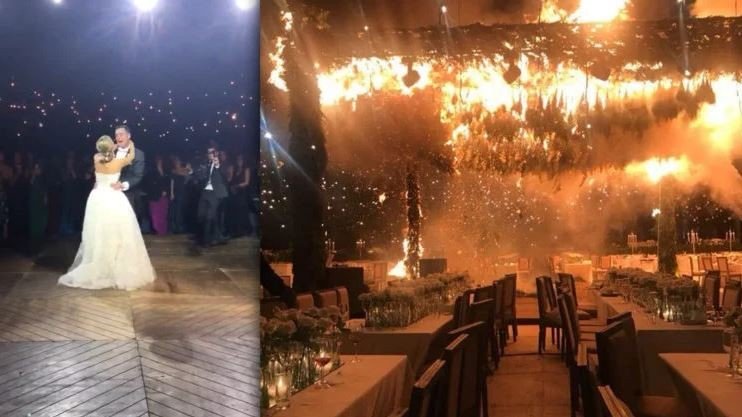
Weddings, conferences, exhibitions, parties, and other large events are designed to bring people together. However, the combination of large crowds, temporary decorations, electrical equipment, cooking arrangements, lighting, sound systems, and sometimes open flames can create serious fire-safety challenges.
Good event fire safety is not only about having fire extinguishers available on the day. Regular maintenance before, during, and after an event is equally important. Fire alarms, emergency lighting, extinguishers, electrical systems, exit routes, and other protective equipment must remain ready to work when needed.
In Pakistan, the Building Code of Pakistan – Fire Safety Provisions 2016 places responsibilities on building owners, operators, occupants, and other responsible parties regarding fire protection, inspections, testing, maintenance, and record keeping. The National Disaster Management Authority (NDMA) also maintains dedicated urban fire-safety guidance for Pakistan.
Whether an event is being held in a wedding hall, hotel, marquee, community centre, banquet hall, restaurant, or open-air venue, the following maintenance tips can help reduce avoidable fire risks.
Why Maintenance Matters at Events
Fire-safety equipment can look perfectly normal while still having a problem.
An extinguisher may have lost pressure. A smoke detector may be dirty. An emergency light may have a dead battery. An exit door may be blocked by decoration materials. An alarm system may have a fault that nobody noticed.
These problems become more serious when hundreds of guests are inside a venue.
The purpose of maintenance is to make sure safety systems remain functional rather than simply being present. Pakistan’s fire-safety building provisions specifically address maintenance, inspection, testing, and record keeping for fire protection and fire alarm systems.
1. Inspect the Fire Alarm System Before Every Major Event
The fire alarm system is one of the most important early-warning systems in a venue.
Before an event begins, responsible staff should confirm that the system is operational and that there are no visible fault indicators on the control panel.
A properly maintained fire alarm system in Pakistan can help provide early warning, giving occupants more time to leave the building safely.
Before an event:
- Check the main fire alarm control panel.
- Look for fault or trouble indicators.
- Test alarm notification devices according to the system’s approved procedure.
- Check manual call points.
- Make sure detectors are not covered by decorations.
- Confirm that the alarm can be heard in occupied areas.
- Ensure staff know how to respond when the alarm activates.
- Keep maintenance and testing records.
Testing should be performed according to the manufacturer’s instructions and the applicable requirements for the building.
Do not disable detectors simply because smoke, dust, cooking vapour, or special effects may cause unwanted alarms. Instead, the cause should be assessed and appropriate measures should be taken by qualified personnel.
2. Check Fire Extinguishers and Keep Them Accessible
Fire extinguishers are particularly important at venues where temporary cooking areas, electrical equipment, stages, decorations, and lighting are being used.
An extinguisher should be:
- Suitable for the type of fire risk
- Correctly positioned
- Clearly visible
- Easy to reach
- Properly mounted where required
- Free from obvious physical damage
- Within its required inspection/service period
- Accessible without moving furniture or decorations
NDMA guidance also emphasizes keeping fire extinguishers around buildings, particularly near areas where heat or fire sources are present.
Avoid placing tables, gift boxes, flower arrangements, banners, or other objects directly in front of extinguishers.
Guests should not have to search through a crowded room to locate basic fire equipment.
3. Pay Special Attention to Kitchen and Catering Areas
Food preparation is one of the most important areas to inspect before an event.
Wedding and event catering may involve:
- Gas burners
- Deep fryers
- Hot plates
- Ovens
- Grills
- Cooking oil
- Gas cylinders
- Electrical appliances
Check cooking equipment before guests arrive.
Gas connections should be inspected for signs of damage or leakage, while electrical appliances should have suitable plugs, cables, and connections.
Cooking areas should also be separated from flammable decorations and unnecessary combustible materials.
Never allow decorative fabric, paper decorations, cardboard boxes, or similar materials to accumulate around cooking equipment.
4. Inspect Electrical Connections and Temporary Wiring
Temporary electrical installations are common at weddings and events.
Sound systems, decorative lighting, LED displays, cameras, catering equipment, stage lighting, air-conditioning units, and other equipment can place considerable demand on electrical systems.
Before the event:
- Inspect cables for visible damage.
- Avoid overloaded sockets.
- Do not use damaged extension cords.
- Keep electrical connections away from water.
- Secure cables so they do not become trip hazards.
- Keep cables away from hot surfaces.
- Use suitable electrical distribution equipment.
- Have questionable installations checked by a qualified electrician.
Do not assume that a power strip can safely handle unlimited equipment simply because it has multiple sockets.
Overloaded or poorly maintained electrical equipment can create overheating and fire hazards.
5. Check Emergency Lighting
A fire may cause normal lighting to fail.
In a crowded venue, darkness can make evacuation much more difficult, especially when guests are unfamiliar with the building.
Emergency lighting should therefore be inspected before an event.
Check that:
- Emergency lights activate when required.
- Exit signs are visible.
- Batteries or backup power systems are functional.
- Lights are not blocked by decorations.
- Escape routes are adequately illuminated.
- Damaged units are repaired or replaced.
Emergency lighting should be tested according to the manufacturer’s instructions and the applicable requirements for the venue.
6. Keep Emergency Exits Clear
One of the simplest fire-safety measures is also one of the easiest to overlook.
Event organizers often use decorations, chairs, tables, flower arrangements, display boards, gift tables, or temporary structures to improve the appearance of a venue.
These items must never interfere with emergency exits.
Before guests arrive, inspect every designated escape route.
Make sure:
- Exit doors can open properly.
- Escape corridors are unobstructed.
- Exit signs are visible.
- Stairways are free of stored materials.
- Furniture has not been placed in escape paths.
- Decorative structures do not narrow exits.
- Security arrangements do not prevent emergency evacuation.
A beautiful event setup is never more important than a clear escape route.
7. Inspect Doors and Fire-Rated Separations
Doors can play an important role in controlling the movement of smoke and fire.
Check doors leading to protected stairways, corridors, service areas, kitchens, and other fire-risk zones.
Look for:
- Damaged doors
- Broken hinges
- Missing hardware
- Doors that cannot close properly
- Unapproved wedges or objects holding doors open
- Damaged seals where applicable
If a door is part of a fire-protection system, modifications should not be made casually.
Repairs and replacements should use appropriate components and follow the relevant requirements.
8. Be Careful With Decorations
Wedding decorations can introduce additional combustible materials into a building.
Common examples include:
- Fabric drapes
- Paper decorations
- Artificial flowers
- Foam products
- Balloons
- Cardboard displays
- Decorative lighting
- Hanging ornaments
Keep combustible decorations away from heat-producing equipment, electrical components, candles, cooking areas, and other ignition sources.
Do not cover smoke detectors, sprinklers, emergency lights, exit signs, or alarm devices with decorations.
The Building Code of Pakistan requires approved equipment and materials to be installed and used according to applicable limitations and manufacturer instructions.
9. Review Candle and Open-Flame Arrangements
Candles and other decorative flames can create additional hazards at weddings and formal events.
If candles are permitted, they should be positioned securely and kept away from curtains, table decorations, paper products, and other combustible materials.
Staff should know where open flames are being used.
Do not leave candles or other flames unattended.
Where possible, safer alternatives such as battery-operated decorative lighting can reduce the number of ignition sources inside crowded venues.
10. Check Fire Hose and Suppression Equipment
Larger venues may have additional fire-protection equipment such as fire hose reels, hydrants, sprinklers, pumps, or other suppression systems.
These systems should not simply be inspected visually once a year and forgotten.
Depending on the system and applicable requirements, maintenance may include:
- Functional testing
- Pressure checks
- Pump inspections
- Valve inspections
- Hose condition checks
- Water-supply verification
- Alarm interface testing
- Professional servicing
Fire protection systems should be maintained according to their design, manufacturer requirements, applicable standards, and local authority requirements.
Pakistan’s Building Code specifically addresses maintenance, inspection, and testing of fire protection systems and equipment.
11. Create a Pre-Event Fire Safety Checklist
A written checklist makes it easier to identify problems before guests arrive.
A basic checklist can include:
Fire Alarm
- Control panel checked
- No unresolved faults
- Detectors unobstructed
- Manual call points accessible
- Alarm testing completed as required
Fire Extinguishers
- Correct types available
- Accessible
- Clearly visible
- No obvious damage
- Inspection/service status checked
Exits
- Exit doors operational
- Escape routes clear
- Exit signs visible
- Emergency lighting functional
Electrical
- Temporary cables inspected
- No damaged wires
- No obvious overloaded connections
- Equipment positioned safely
Kitchen
- Cooking equipment checked
- Gas connections inspected
- Fire equipment accessible
- Combustible materials kept away from heat
Decorations
- No blocked detectors
- No blocked exits
- Flammable decorations kept away from ignition sources
- Electrical decorative equipment checked
This checklist can be adapted according to the size and type of event.
12. Train Event Staff, Not Just Security Personnel
Fire safety is a team responsibility.
Venue managers, event planners, catering staff, security guards, cleaners, stage crews, and other employees should know the basic emergency procedure.
Staff should understand:
- How to raise the alarm.
- Where emergency exits are located.
- Where extinguishers are positioned.
- How to contact emergency services.
- Where guests should assemble.
- Who is responsible for guiding people outside.
- What to do if an alarm activates.
- Why lifts should generally not be relied upon for evacuation during a fire unless specifically directed by emergency procedures.
Training is especially important because event staff may be temporary or unfamiliar with the building.
13. Conduct an Evacuation Review
Before a major event, management should walk through the evacuation process.
Ask practical questions:
- What happens if the main entrance becomes unavailable?
- Where are the alternative exits?
- Where will guests assemble?
- Who will contact emergency services?
- Who will check important areas if it is safe to do so?
- How will staff assist children, older people, or guests with mobility difficulties?
- Can emergency vehicles access the venue?
NDMA’s fire-safety material emphasizes preparedness, inspections, functional firefighting equipment, and coordination with relevant emergency agencies.
14. Keep Maintenance Records
Maintenance records may seem like paperwork, but they can reveal recurring problems.
Keep records of:
- Fire alarm tests
- Extinguisher inspections
- Fire protection system servicing
- Emergency lighting checks
- Electrical inspections
- Repairs
- Evacuation drills
- Staff training
- Corrective actions
The Building Code of Pakistan – Fire Safety Provisions 2016 specifically states that records of maintenance, inspections, and testing of fire protection and fire alarm systems, among other safety measures, should be maintained as required.
Digital records can make it easier to track recurring issues and upcoming service dates.
15. Inspect Again After the Event
Fire safety maintenance should not stop when the guests leave.
After an event, inspect the venue for:
- Damaged electrical cables
- Burn marks
- Overheated equipment
- Used or discharged extinguishers
- Damaged emergency lights
- Damaged alarm devices
- Remaining candles or ignition sources
- Temporary wiring left behind
- Decorations near heat sources
If an extinguisher was discharged, an alarm device was damaged, or a fire-protection system experienced a fault, it should be addressed before the next event.
This is particularly important for venues that host several functions each week.
Common Fire Safety Mistakes at Weddings and Events
Several mistakes repeatedly create unnecessary risks.
Blocking exits for decoration
A decorated entrance may look attractive but should never compromise emergency movement.
Hiding safety equipment
Fire extinguishers and alarm devices should remain visible and accessible.
Using too many electrical devices
Large amounts of lighting and entertainment equipment should be properly distributed and safely connected.
Ignoring small alarm faults
A fault displayed on a fire alarm panel should not simply be ignored because there is no current emergency.
Treating maintenance as a one-time task
Fire protection requires ongoing inspection and maintenance, not just preparation immediately before a large function.
A Safer Approach to Event Planning
The best time to identify fire hazards is before the event begins.
Venue management and event organizers should work together to understand the building, identify ignition sources, check protective equipment, maintain escape routes, and brief staff.
The Pakistan Engineering Council lists the Building Code of Pakistan – Fire Safety Provisions 2016 among the country’s building codes and standards. Requirements can vary according to the building, occupancy, event type, local authority, and applicable standards, so significant venues should obtain appropriate professional and authority guidance.
For additional fire-safety information and resources, you can also explore .
Final Thoughts
Wedding and event fire safety depends on more than buying extinguishers or installing an alarm. The equipment must be maintained, tested, accessible, and understood by the people responsible for the venue.
Before every major event, check alarms, extinguishers, emergency lighting, electrical systems, kitchens, exits, doors, decorations, and evacuation arrangements. After the event, inspect the venue again and record any problems that need correction.
A few minutes of proper maintenance can help identify a problem before it becomes an emergency. For venues hosting frequent events, making fire-safety checks part of the regular operating routine is one of the most practical ways to improve preparedness.
FAQs
1. How often should fire safety equipment be checked at an event venue?
The frequency depends on the type of equipment, manufacturer instructions, applicable standards, building requirements, and local authority expectations. In addition to scheduled professional inspections, venues should perform appropriate routine visual checks before events.
2. Can wedding decorations cover smoke detectors or fire alarms?
No. Decorations should not obstruct smoke detectors, alarm devices, emergency lights, sprinklers, or exit signs. Safety equipment must remain accessible and able to perform its intended function.
3. What fire equipment should a wedding venue have?
The required equipment depends on the building and its specific hazards. Common systems may include fire extinguishers, fire alarm systems, emergency lighting, exit signs, and, where required, hose reels, hydrants, sprinklers, or other fire-protection systems.
4. Why is electrical safety important at weddings and events?
Events often use additional lighting, sound equipment, displays, catering appliances, and temporary wiring. Poor connections, damaged cables, and overloaded circuits can increase fire risk, so temporary electrical installations should be properly planned and inspected.
5. Is installing a fire alarm enough to make an event venue safe?
No. A fire alarm is only one part of a broader fire-safety strategy. Safe venues also need maintained fire-protection equipment, clear escape routes, emergency lighting where required, suitable electrical and cooking arrangements, trained staff, evacuation procedures, and regular inspections.